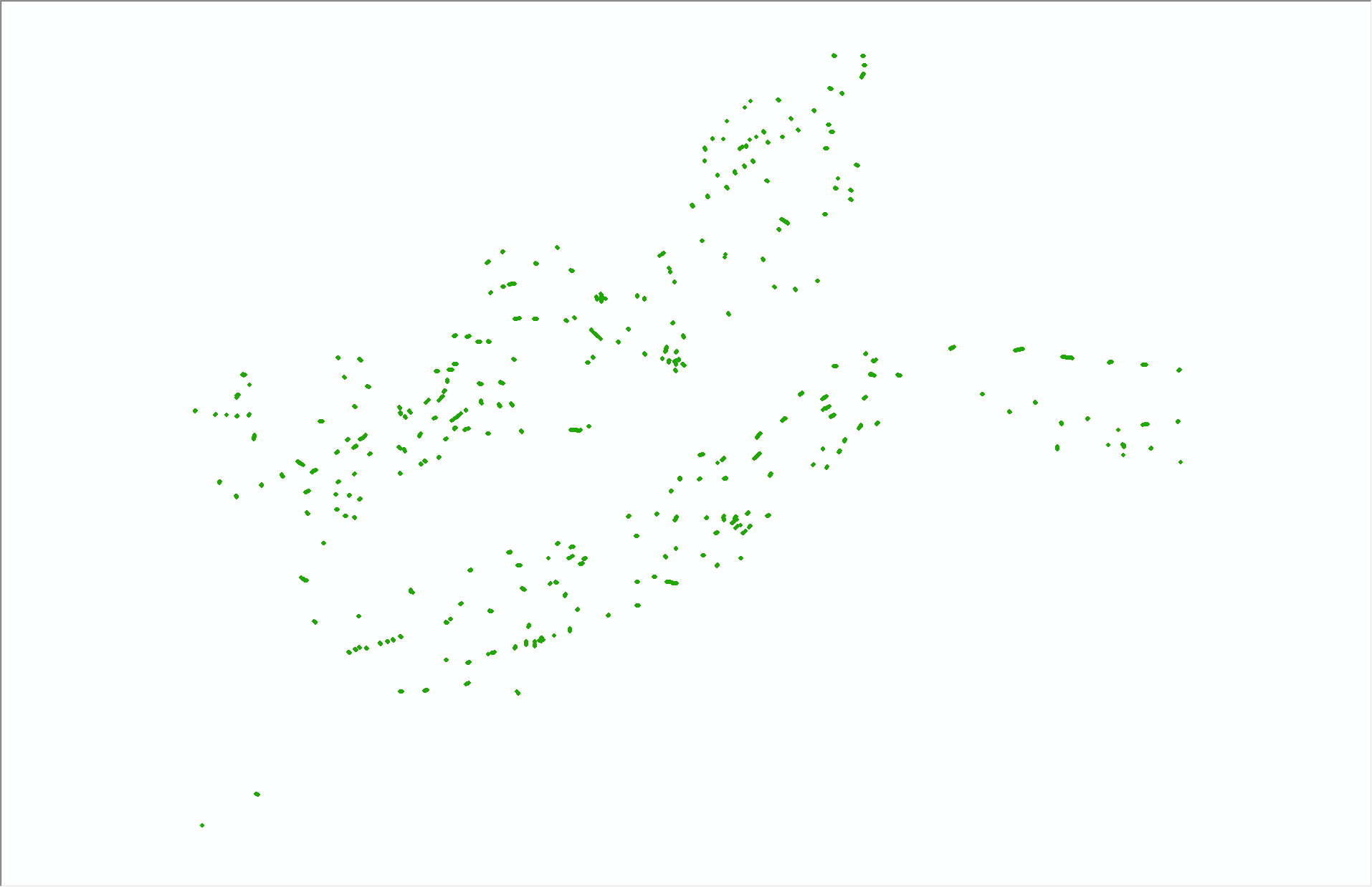
Entity_Type:
Entity_Type_Label: BBVS_BottomPhotos_wBio
Entity_Type_Definition:
point location of seafloor photographs with biological classification
Entity_Type_Definition_Source: U.S. Geological Survey
Attribute:
Attribute_Label: FID
Attribute_Definition: Internal feature number.
Attribute_Definition_Source: Esri
Attribute_Domain_Values:
Unrepresentable_Domain:
Sequential unique whole numbers that are automatically generated.
Attribute:
Attribute_Label: Shape
Attribute_Definition: Feature geometry.
Attribute_Definition_Source: Esri
Attribute_Domain_Values:
Unrepresentable_Domain: Coordinates defining the features.
Attribute:
Attribute_Label: TIME_UNCOR
Attribute_Definition:
Time of photograph in UTC (hh:mm:ss). This is the UNCORRECTED camera time.
Attribute_Definition_Source: U.S. Geological Survey
Attribute_Domain_Values:
Unrepresentable_Domain: Character string of width 8
Attribute:
Attribute_Label: GPSTIME
Attribute_Definition:
Corrected time of photograph in UTC (hh:mm:ss). This is the CORRECTED time after verification with the SEABOSS video. This is the time that was ultimately used to geolocate the seafloor photographs. This time was updated in the EXIF header of the JPEG images, in the 'GPS Time Stamp' EXIF tag
Attribute_Definition_Source: U.S. Geological Survey
Attribute_Domain_Values:
Unrepresentable_Domain: Character string of width 16
Attribute:
Attribute_Label: DIFFTIME
Attribute_Definition:
This is the variable time offset field that was used to perform the time adjustment during the process by which the photographs were geolocated.
Attribute_Definition_Source: U.S. Geological Survey
Attribute_Domain_Values:
Range_Domain:
Range_Domain_Minimum: 4
Range_Domain_Maximum: 41
Attribute_Units_of_Measure: seconds
Attribute:
Attribute_Label: JD
Attribute_Definition:
Julian day photograph was acquired based on UTC time. Julian day is the integer number representing the interval of time in days since January 1 of the year of collection.
Attribute_Definition_Source: U.S. Geological Survey
Attribute_Domain_Values:
Range_Domain:
Range_Domain_Minimum: 252
Range_Domain_Maximum: 257
Attribute:
Attribute_Label: PHOTO_DATE
Attribute_Definition: The date the photograph was acquired in the format MM/DD/YYYY.
Attribute_Definition_Source: U.S. Geological Survey
Attribute_Domain_Values:
Unrepresentable_Domain: Character string of width 10
Attribute:
Attribute_Label: LAT
Attribute_Definition: Latitude coordinate of photograph (in decimal degrees, WGS84)
Attribute_Definition_Source: U.S. Geological Survey
Attribute_Domain_Values:
Range_Domain:
Range_Domain_Minimum: 41.267625
Range_Domain_Maximum: 41.649575
Attribute_Units_of_Measure: Decimal degrees
Attribute_Measurement_Resolution: 0.000001
Attribute:
Attribute_Label: LONG
Attribute_Definition: Longitude coordinate of photograph (in decimal degrees, WGS84)
Attribute_Definition_Source: U.S. Geological Survey
Attribute_Domain_Values:
Range_Domain:
Range_Domain_Minimum: -71.096428
Range_Domain_Maximum: -70.457338
Attribute_Units_of_Measure: Decimal degrees
Attribute_Measurement_Resolution: 0.000001
Attribute:
Attribute_Label: PICNAME
Attribute_Definition:
Name of the JPEG photograph (format is downloadnumber_seqphotonumber.jpg) where the download number portion of the name reflects during which download session (d1-d4) the images were copied from the camera's CompactFlash card.
Attribute_Definition_Source: U.S. Geological Survey
Attribute_Domain_Values:
Unrepresentable_Domain: Character string of width 254
Attribute:
Attribute_Label: HOTLINK
Attribute_Definition:
This indicates the location of the actual JPEG photograph relative to this shapefile (NEW_10005_PhotoLocs_FINAL_wBio.shp) so that the "hotlink" feature can be easily used within an Esri ArcMap project (see Appendix 1 of this report USGS OFR 2014-1221 for information about setting the "hotlink" feature to work in ArcMap).
Attribute_Definition_Source: U.S. Geological Survey
Attribute_Domain_Values:
Unrepresentable_Domain: Character string of width 254
Attribute:
Attribute_Label: DEPTH_M
Attribute_Definition:
Depth in meters extracted from the recent USGS bathymetry data released on USGS Open File Reports 2012-1002 (Ackerman and others, 2013) and 2012-1006 (Andrews and others, 2013); hydrographic data from NOAA NOS survey H11076 (for photos at sample sites 216, 217, 218 and 219); and the NOAA NGDC's 3 arc-second U.S. Coastal Relief Model data (for sample sites 174 and 175). Depths have a vertical datum of mean lower low water.
Attribute_Definition_Source: U.S. Geological Survey
Attribute_Domain_Values:
Range_Domain:
Range_Domain_Minimum: 7.5
Range_Domain_Maximum: 41.6
Attribute_Units_of_Measure: meters
Attribute_Measurement_Resolution: 0.1
Attribute:
Attribute_Label: LINENAME
Attribute_Definition:
This indicates the SEABOSS sampling site (station) number or SEABOSS trackline along which digital still photos and continuous bottom video were acquired.
Attribute_Definition_Source: U.S. Geological Survey
Attribute_Domain_Values:
Unrepresentable_Domain: Character string of width 10
Attribute:
Attribute_Label: NEAR_SMP
Attribute_Definition:
Field Number or Field ID of the nearest sediment sample or SEABOSS sampling site from USGS sampling survey 2010-005-FA. This field was calculated using the Spatial Join tool in ArcMap version 10.1, joining this dataset with the surficial sediment sample from the dataset BBVS_SedimentSamples.shp. Note: for sample sites where a physical sample was not collected, the "sample site" was typically the location where the last photograph was taken during that SEABOSS deployment.
Attribute_Definition_Source: U.S. Geological Survey
Attribute_Domain_Values:
Unrepresentable_Domain: Character string of width 10
Attribute:
Attribute_Label: NEAR_CLASS
Attribute_Definition:
Sediment classification (Shepard, 1954) of the nearest sediment sample from USGS sampling survey 2010-005-FA. This field was calculated using the Spatial Join tool in ArcMap version 10.1, joining this dataset with the surficial sediment sample from the dataset BBVS_SedimentSamples.shp. (see the metadata from BBVS_SedimentSample.shp for more detailed attribute information). Note: for sample sites where a physical sample was not collected, the "sample site" was typically the location where the last photograph was taken during that SEABOSS deployment.
Attribute_Definition_Source: USGS East Coast Sediment Texture Database data dictionary
Attribute_Domain_Values:
Unrepresentable_Domain: Character string of width 254
Attribute:
Attribute_Label: DST_TO_SMP
Attribute_Definition:
Distance to the nearest sediment sample from USGS sampling survey 2010-005-FA. This field was calculated using the Spatial Join tool in ArcMap version 10.1, joining this dataset with the surficial sediment sample from the dataset BBVS_SedimentSamples.shp.Note: for sample sites where a physical sample was not collected, the "sample site" was typically the location where the last photograph was taken during that SEABOSS deployment.
Attribute_Definition_Source: U.S. Geological Survey
Attribute_Domain_Values:
Range_Domain:
Range_Domain_Minimum: 0
Range_Domain_Maximum: 578.2
Attribute_Units_of_Measure: meters
Attribute_Measurement_Resolution: 0.1
Attribute:
Attribute_Label: NR_SMP_CMT
Attribute_Definition:
Comment field for any additional information that may be important relating to the photograph and/or the nearest sample (e.g. for a deployment that crosses a transition zone as illustrated by the backscatter data. Photographs from this transect may begin in gravelly sediment, cobble and boulders, then moves to finer sediment where the sediment sample was collected. Therefore photographs with boulders may have a nearest classification of sand, so users need to be mindful of the nearest sample distance and that the photograph may not illustrate the same character of the nearest sample classification.
Attribute_Definition_Source: U.S. Geological Survey
Attribute_Domain_Values:
Unrepresentable_Domain: Character string of width 254
Attribute:
Attribute_Label: BIO_SET
Attribute_Definition:
CMECS Biotic Setting classification of bottom photo. The biotic setting separates organisms that live in or are closely associated with the bottom (Benthic Biota) from those organisms that are suspended in the water column or floating on the surface (Planktonic Biota). Benthic Biota units are defined by species that are fixed to the benthos and those that are slow moving (such that they cannot move beyond the unit boundary within one day).
Attribute_Definition_Source:
Coastal and Marine Ecological Classification Standard, FGDC-STD-018-2012 (June 2012)
Attribute_Domain_Values:
Enumerated_Domain:
Enumerated_Domain_Value: Benthic/Attached Biota
Enumerated_Domain_Value_Definition:
This biotic setting describes areas where biota lives on, in, or in close association with the seafloor or other substrates (e.g., pilings, buoys), extending down into the sediment to include the sub-surface layers of substrate that contain multi-cellular life. As a rule, Benthic/Attached Biota units are characterized by the various life histories and taxonomic characteristics of the dominant life forms.
Enumerated_Domain_Value_Definition_Source:
Coastal and Marine Ecological Classification Standard, FGDC-STD-018-2012 (June 2012)
Attribute_Domain_Values:
Enumerated_Domain:
Enumerated_Domain_Value: -9999
Enumerated_Domain_Value_Definition: No data. Photo not analyzed.
Enumerated_Domain_Value_Definition_Source: Massachusetts Office of Coastal Zone Management
Attribute:
Attribute_Label: BIO_CLASS
Attribute_Definition:
CMECS Biotic Class classification of bottom photo. Biotic classes are determined by the dominant percent cover based on the taxonomy and life forms of the living components of the sampled area. Biotic class definitions are based on the biologically defined classes of the Classification of Wetlands and Deepwater Habitats in the United States, FGDC-STD-004.
Attribute_Definition_Source:
Coastal and Marine Ecological Classification Standard, FGDC-STD-018-2012 (June 2012)
Attribute_Domain_Values:
Enumerated_Domain:
Enumerated_Domain_Value: Aquatic Vegetation Bed
Enumerated_Domain_Value_Definition:
This class includes subtidal or intertidal bottoms and any other areas characterized by a dominant cover of rooted vascular plants, attached macroalgae, or mosses, which are usually submersed in the water column or floating on the surface. They may be exposed during low tides.
Enumerated_Domain_Value_Definition_Source:
Coastal and Marine Ecological Classification Standard, FGDC-STD-018-2012 (June 2012)
Attribute_Domain_Values:
Enumerated_Domain:
Enumerated_Domain_Value: Faunal Bed
Enumerated_Domain_Value_Definition:
Seabeds dominated or characterized by a cover of animals that are closely associated with the bottom, including attached, clinging, sessile, infaunal, burrowing, laying, interstitial, and slow-moving animals, but not animals that have created substrate (Reef Biota).
Enumerated_Domain_Value_Definition_Source:
Coastal and Marine Ecological Classification Standard, FGDC-STD-018-2012 (June 2012)
Attribute_Domain_Values:
Enumerated_Domain:
Enumerated_Domain_Value: Reef Biota
Enumerated_Domain_Value_Definition:
Areas dominated by reef-building fauna, including living corals, mollusks, polychaetes or glass sponges. In order to be classified as Reef Biota, colonizing organisms must be judged to be sufficiently abundant to construct identifiable biogenic substrates. The Reef Biota Class refers to only the living component of reef structures.
Enumerated_Domain_Value_Definition_Source:
Coastal and Marine Ecological Classification Standard, FGDC-STD-018-2012 (June 2012)
Attribute_Domain_Values:
Enumerated_Domain:
Enumerated_Domain_Value: -9999
Enumerated_Domain_Value_Definition: No data. Photo not analyzed.
Enumerated_Domain_Value_Definition_Source: Massachusetts Office of Coastal Zone Management
Attribute:
Attribute_Label: BIO_SUBCL
Attribute_Definition:
CMECS Biotic Subclass classification of bottom photo. Biotic subclasses are based on finer distinctions of dominant life forms, taxa, and growth forms.
Attribute_Definition_Source:
Coastal and Marine Ecological Classification Standard, FGDC-STD-018-2012 (June 2012)
Attribute_Domain_Values:
Enumerated_Domain:
Enumerated_Domain_Value: Attached Fauna
Enumerated_Domain_Value_Definition:
Areas characterized by rock substrates, gravel substrates, other hard substrates, or mixed substrates that are dominated by fauna which maintain contact with the substrate surface, including firmly attached, crawling, resting, interstitial, or clinging fauna.
Enumerated_Domain_Value_Definition_Source:
Coastal and Marine Ecological Classification Standard, FGDC-STD-018-2012 (June 2012)
Attribute_Domain_Values:
Enumerated_Domain:
Enumerated_Domain_Value: Benthic Macroalgae
Enumerated_Domain_Value_Definition:
Aquatic beds dominated by macroalgae attached to the substrate, such as kelp, intertidal fucoids, and calcareous algae.
Enumerated_Domain_Value_Definition_Source:
Coastal and Marine Ecological Classification Standard, FGDC-STD-018-2012 (June 2012)
Attribute_Domain_Values:
Enumerated_Domain:
Enumerated_Domain_Value: Inferred Fauna
Enumerated_Domain_Value_Definition:
Areas dominated by evidence (real or inferred) of faunal activity, but where the fauna themselves are not currently present or evident, given the sampling methodology.
Enumerated_Domain_Value_Definition_Source:
Coastal and Marine Ecological Classification Standard, FGDC-STD-018-2012 (June 2012)
Attribute_Domain_Values:
Enumerated_Domain:
Enumerated_Domain_Value: Mollusk Reef Biota
Enumerated_Domain_Value_Definition:
Areas dominated by consolidated aggregations of living and dead mollusks, usually bivalves (e.g., oysters or mussels or giant clams) or gastropods (e.g., vermetids) attached to their conspecifics and sufficiently abundant to create substrate.
Enumerated_Domain_Value_Definition_Source:
Coastal and Marine Ecological Classification Standard, FGDC-STD-018-2012 (June 2012)
Attribute_Domain_Values:
Enumerated_Domain:
Enumerated_Domain_Value: Soft Sediment Fauna
Enumerated_Domain_Value_Definition:
Areas that are characterized by fine unconsolidated substrates (sand, mud) and that are dominated in percent cover or in estimated biomass by infauna, sessile epifauna, mobile epifauna, mobile fauna that create semi-permanent burrows as homes, or by structures or evidence associated with these fauna.
Enumerated_Domain_Value_Definition_Source:
Coastal and Marine Ecological Classification Standard, FGDC-STD-018-2012 (June 2012)
Attribute_Domain_Values:
Enumerated_Domain:
Enumerated_Domain_Value: -9999
Enumerated_Domain_Value_Definition: No data. Photo not analyzed.
Enumerated_Domain_Value_Definition_Source: Massachusetts Office of Coastal Zone Management
Attribute:
Attribute_Label: BIO_GROUP
Attribute_Definition:
CMECS Biotic Group classification of bottom photo. Biotic groups are observational, descriptive, or functional groupings of the characteristic biological types that occur as generalized patterns across their range. Biotic groups are designed as simple observational units, to be based upon regularly recurring biological features that are evident in the environment under observation. The classification area is the field of view of the photograph (see process steps for more information about the image area).
Attribute_Definition_Source:
Coastal and Marine Ecological Classification Standard, FGDC-STD-018-2012 (June 2012)
Attribute_Domain_Values:
Enumerated_Domain:
Enumerated_Domain_Value: Attached Anemones
Enumerated_Domain_Value_Definition:
Hard substrate areas dominated by attached anemones (coelenterates which secure themselves to a hard substrate with a pedal disc).
Enumerated_Domain_Value_Definition_Source:
Coastal and Marine Ecological Classification Standard, FGDC-STD-018-2012 (June 2012)
Attribute_Domain_Values:
Enumerated_Domain:
Enumerated_Domain_Value: Attached Bryozoans
Enumerated_Domain_Value_Definition:
Areas dominated by abundant or structurally complex, attached bryozoan communities that are may be habitat-forming.
Enumerated_Domain_Value_Definition_Source:
Coastal and Marine Ecological Classification Standard, FGDC-STD-018-2012 (June 2012)
Attribute_Domain_Values:
Enumerated_Domain:
Enumerated_Domain_Value: Attached Hydroids
Enumerated_Domain_Value_Definition:
Areas dominated by mounds or mats of hydroids that are attached to a hard substrate.
Enumerated_Domain_Value_Definition_Source:
Coastal and Marine Ecological Classification Standard, FGDC-STD-018-2012 (June 2012)
Attribute_Domain_Values:
Enumerated_Domain:
Enumerated_Domain_Value: Attached Sponges
Enumerated_Domain_Value_Definition:
Hard or mixed substrate areas that are dominated by sponges and their associated communities, e.g., where non-reef building sponge species grow attached to hard substrate or are nestled among hard substrate, or where reef-building sponges grow on hard substrates in densities that are not judged sufficient to constitute a reef.
Enumerated_Domain_Value_Definition_Source:
Coastal and Marine Ecological Classification Standard, FGDC-STD-018-2012 (June 2012)
Attribute_Domain_Values:
Enumerated_Domain:
Enumerated_Domain_Value: Attached Tunicates
Enumerated_Domain_Value_Definition:
Areas dominated by attached members of the subphylum Tunicata, known as tunicates, ascidians, or sea squirts.
Enumerated_Domain_Value_Definition_Source:
Coastal and Marine Ecological Classification Standard, FGDC-STD-018-2012 (June 2012)
Attribute_Domain_Values:
Enumerated_Domain:
Enumerated_Domain_Value: Barnacles
Enumerated_Domain_Value_Definition: Areas dominated by barnacles and associated fauna.
Enumerated_Domain_Value_Definition_Source:
Coastal and Marine Ecological Classification Standard, FGDC-STD-018-2012 (June 2012)
Attribute_Domain_Values:
Enumerated_Domain:
Enumerated_Domain_Value: Burrowing Fauna
Enumerated_Domain_Value_Definition:
Assemblages dominated by the presence—or evidence—of larger, deep-burrowing, soft-bodied, generally worm-like infauna and/or areas dominated by small, burrowing, often worm-like fauna with a body width usually < 2 millimeters; animals are typically found within 5 centimeters of the sediment-water interface. For the purposes of this classification the biotic groups Small Surface-Burrowing Fauna and Larger Deep-Burrowing Fauna were combined as the resolution of the photographs does not allow a higher level of distinction between the two.
Enumerated_Domain_Value_Definition_Source:
Coastal and Marine Ecological Classification Standard, FGDC-STD-018-2012 (June 2012), Massachusetts Office of Coastal Zone Management.
Attribute_Domain_Values:
Enumerated_Domain:
Enumerated_Domain_Value: Clam Bed
Enumerated_Domain_Value_Definition:
Areas where either: (a) living clams, siphons, or siphon holes are the dominant surface feature, or; (b) clams dominate the faunal biomass.
Enumerated_Domain_Value_Definition_Source:
Coastal and Marine Ecological Classification Standard, FGDC-STD-018-2012 (June 2012)
Attribute_Domain_Values:
Enumerated_Domain:
Enumerated_Domain_Value: Coralline/Crustose Algal Bed
Enumerated_Domain_Value_Definition:
Areas dominated by coralline or crustose algae that incorporate calcium carbonate into their tissues and form crusts on the substrate in many marine environments.
Enumerated_Domain_Value_Definition_Source:
Coastal and Marine Ecological Classification Standard, FGDC-STD-018-2012 (June 2012)
Attribute_Domain_Values:
Enumerated_Domain:
Enumerated_Domain_Value: Filamentous Algal Bed
Enumerated_Domain_Value_Definition:
Areas dominated by filamentous algae that have a growth form consisting of fine filaments or strands with no blades or stipes.
Enumerated_Domain_Value_Definition_Source:
Coastal and Marine Ecological Classification Standard, FGDC-STD-018-2012 (June 2012)
Attribute_Domain_Values:
Enumerated_Domain:
Enumerated_Domain_Value: Gastropod Reef
Enumerated_Domain_Value_Definition:
Areas dominated by consolidated aggregations of living and dead gastropod mollusks, typically those of the Family Vermetidae or the Genus Crepidula. Shells in a "reef" must have consolidated or conglomerated into a reef structure with some relief and permanence; a reef is more that an accumulation of loose shells.
Enumerated_Domain_Value_Definition_Source:
Coastal and Marine Ecological Classification Standard, FGDC-STD-018-2012 (June 2012)
Attribute_Domain_Values:
Enumerated_Domain:
Enumerated_Domain_Value: Inferred Fauna
Enumerated_Domain_Value_Definition:
Areas dominated by evidence (real or inferred) of faunal activity, but where the fauna themselves are not currently present or evident, given the sampling methodology. This Biotic Group was added as a modification in the CMECS classification where no faunal activity is apparent visually, but the absence of faunal cannot be assumed due to a lack of a physical sample.
Enumerated_Domain_Value_Definition_Source:
Coastal and Marine Ecological Classification Standard, FGDC-STD-018-2012 (June 2012), Massachusetts Office of Coastal Zone Management
Attribute_Domain_Values:
Enumerated_Domain:
Enumerated_Domain_Value: Leathery/Leafy Algal Bed
Enumerated_Domain_Value_Definition:
Areas dominated by leathery/leafy algae have a variety of specialized tissues (including thalli) that resemble stems and leaf-like blades.
Enumerated_Domain_Value_Definition_Source:
Coastal and Marine Ecological Classification Standard, FGDC-STD-018-2012 (June 2012)
Attribute_Domain_Values:
Enumerated_Domain:
Enumerated_Domain_Value: Mobile Crustaceans on Hard or Mixed Substrates
Enumerated_Domain_Value_Definition:
Areas where the epifaunal community is dominated by slow-moving crustaceans on hard or mixed substrates, often living on, between, or under rocks. This group is limited to the epifaunal crustacean taxa that are relatively non-motile (e.g., hermit crabs, xanthid crabs, grapsid crabs, mysids, palaemonids and other small shrimps, amphipods, isopods) and cannot move outside the boundaries of the classification unit within one day. The classifcation unit is the field of view of the photograph.
Enumerated_Domain_Value_Definition_Source:
Coastal and Marine Ecological Classification Standard, FGDC-STD-018-2012 (June 2012)
Attribute_Domain_Values:
Enumerated_Domain:
Enumerated_Domain_Value: Mobile Crustaceans on Soft Sediments
Enumerated_Domain_Value_Definition:
Areas where the epifaunal or surface community is dominated by slow-moving crustaceans. This group is limited to the relatively non-motile, epifaunal, crustacean taxa (e.g., hermit crabs, mole crabs, amphipods, mysids, isopods) and does not include the more mobile arthropod forms (e.g., swimming crabs, horseshoe crabs, penaied shrimps) which can leave the classified area in less than one day and are defined as Associated Taxa. The classifcation area is the field of view of the photograph.
Enumerated_Domain_Value_Definition_Source:
Coastal and Marine Ecological Classification Standard, FGDC-STD-018-2012 (June 2012)
Attribute_Domain_Values:
Enumerated_Domain:
Enumerated_Domain_Value: Mobile Mollusks on Hard or Mixed Substrates
Enumerated_Domain_Value_Definition:
Areas dominated by slow-moving mollusks, most commonly gastropods.
Enumerated_Domain_Value_Definition_Source:
Coastal and Marine Ecological Classification Standard, FGDC-STD-018-2012 (June 2012)
Attribute_Domain_Values:
Enumerated_Domain:
Enumerated_Domain_Value: Mobile Mollusks on Soft Sediments
Enumerated_Domain_Value_Definition:
Areas dominated by epifaunal, slow-moving, generally detritivorous, herbivorous, or omnivorous gastropods, scaphopods, or other mollusks foraging at the surface of unconsolidated sediments.
Enumerated_Domain_Value_Definition_Source:
Coastal and Marine Ecological Classification Standard, FGDC-STD-018-2012 (June 2012)
Attribute_Domain_Values:
Enumerated_Domain:
Enumerated_Domain_Value: Sand Dollar Bed
Enumerated_Domain_Value_Definition:
Assemblages dominated by surface-dwelling, "irregular" echinoids of the Phylum Echinodermata and Order Clypeasteroida (e.g., sand dollars, sea biscuits).
Enumerated_Domain_Value_Definition_Source:
Coastal and Marine Ecological Classification Standard, FGDC-STD-018-2012 (June 2012)
Attribute_Domain_Values:
Enumerated_Domain:
Enumerated_Domain_Value: Sessile Gastropods
Enumerated_Domain_Value_Definition:
Hard substrate areas dominated by sessile (or mostly sessile) gastropods, often suspension feeders.
Enumerated_Domain_Value_Definition_Source:
Coastal and Marine Ecological Classification Standard, FGDC-STD-018-2012 (June 2012)
Attribute_Domain_Values:
Enumerated_Domain:
Enumerated_Domain_Value: Soft Sediment Bryozoans
Enumerated_Domain_Value_Definition:
Areas dominated by bryozoans. Bryozoans may be either embedded in fine substrates or resting, unattached, on the sediment surface.
Enumerated_Domain_Value_Definition_Source:
Coastal and Marine Ecological Classification Standard, FGDC-STD-018-2012 (June 2012)
Attribute_Domain_Values:
Enumerated_Domain:
Enumerated_Domain_Value: Sponge Bed
Enumerated_Domain_Value_Definition:
Sandy or muddy areas of the seafloor that are dominated by sponges and their associated communities, but do not create substrate such that they would be considered Reef Biota.
Enumerated_Domain_Value_Definition_Source:
Coastal and Marine Ecological Classification Standard, FGDC-STD-018-2012 (June 2012)
Attribute_Domain_Values:
Enumerated_Domain:
Enumerated_Domain_Value: Tracks and Trails
Enumerated_Domain_Value_Definition:
Areas where sediment surface patterns are dominated by tracks and trails left by locomotion of mobile epifauna and other fauna that are no longer present.
Enumerated_Domain_Value_Definition_Source:
Coastal and Marine Ecological Classification Standard, FGDC-STD-018-2012 (June 2012)
Attribute_Domain_Values:
Enumerated_Domain:
Enumerated_Domain_Value: Tube-Building Fauna
Enumerated_Domain_Value_Definition:
Soft sediment areas dominated by larger tube builders (tube width > 2 millimeters, or tube length > 30 millimeters), most commonly polychaetes, but including many other worm-like phyla (phoronids, sipunculids), crustaceans, and others and/or soft sediment areas dominated by tube-building annelids (e.g., spionids, sabellids), amphipods, small phoronids, or other small, surface-dwelling, tube-building fauna. For the purposes of this classification the biotic groups Small Tube-Building Fauna and Larger Tube-Building Fauna were combined as the resolution of the photographs does not allow a higher level of distinction between the two.
Enumerated_Domain_Value_Definition_Source:
Coastal and Marine Ecological Classification Standard, FGDC-STD-018-2012 (June 2012), Massachusetts Office of Coastal Zone Management.
Attribute_Domain_Values:
Enumerated_Domain:
Enumerated_Domain_Value: Tunneling Megafauna
Enumerated_Domain_Value_Definition:
Intertidal or Subtidal areas dominated by burrowing or construction activities of larger (megafaunal) organisms that create a water-filled tunnel with a diameter of > 1 centimeter.
Enumerated_Domain_Value_Definition_Source:
Coastal and Marine Ecological Classification Standard, FGDC-STD-018-2012 (June 2012)
Attribute_Domain_Values:
Enumerated_Domain:
Enumerated_Domain_Value: -9999
Enumerated_Domain_Value_Definition: No data. Photo not analyzed.
Enumerated_Domain_Value_Definition_Source: Massachusetts Office of Coastal Zone Management
Attribute:
Attribute_Label: BIO_COMM
Attribute_Definition:
CMECS Biotic Community classification of bottom photo. A biotic community is a repeatable grouping of species that is relatively uniform in structure, species composition, and habitat conditions. Biotic community is added to characterize elements in the Biotic Group.
Attribute_Definition_Source:
Coastal and Marine Ecological Classification Standard, FGDC-STD-018-2012 (June 2012)
Attribute_Domain_Values:
Enumerated_Domain:
Enumerated_Domain_Value: Codium sp.
Enumerated_Domain_Value_Definition:
Photographs with the green algae Codium sp. present. Community added to characterize the Leathery/Leafy Algal Bed Biotic Group.
Enumerated_Domain_Value_Definition_Source: Massachusetts Office of Coastal Zone Management
Attribute_Domain_Values:
Enumerated_Domain:
Enumerated_Domain_Value: Crepidula sp.
Enumerated_Domain_Value_Definition:
Photographs with the slipper shell gastropod Crepidula sp. present. Community added to characterize the Gastropod Reef and Sessile Gastropods Biotic Groups.
Enumerated_Domain_Value_Definition_Source: Massachusetts Office of Coastal Zone Management
Attribute_Domain_Values:
Enumerated_Domain:
Enumerated_Domain_Value: Crepidula sp., Codium sp.
Enumerated_Domain_Value_Definition:
Photographs with the slipper shell gastropod Crepidula sp. and the green algae Codium sp. present. Community added to characterize the Leathery/Leafy Algal Bed, Gastropod Reef, and Sessile Gastropods Biotic Groups.
Enumerated_Domain_Value_Definition_Source: Massachusetts Office of Coastal Zone Management
Attribute_Domain_Values:
Enumerated_Domain:
Enumerated_Domain_Value: Didemnum sp.
Enumerated_Domain_Value_Definition:
Photographs with the colonial tunicate Didemnum sp. present. Community added to characterize the Attached Tunicates and Tunicate Bed Biotic Groups.
Enumerated_Domain_Value_Definition_Source: Massachusetts Office of Coastal Zone Management
Attribute_Domain_Values:
Enumerated_Domain:
Enumerated_Domain_Value: -9999
Enumerated_Domain_Value_Definition: No data. Photo not analyzed.
Enumerated_Domain_Value_Definition_Source: Massachusetts Office of Coastal Zone Management
Attribute_Domain_Values:
Enumerated_Domain:
Enumerated_Domain_Value: [blank]
Enumerated_Domain_Value_Definition:
Photo was only analyzed to the biotic group level. No Biotic Community could be determined or resolved in the photograph.
Enumerated_Domain_Value_Definition_Source: Massachusetts Office of Coastal Zone Management
Attribute:
Attribute_Label: CO_OCCUR_1
Attribute_Definition:
CMECS Co-occurring Element Modifier of bottom photo. This is a co-occurring Biotic Group used as a modifier to the CMECS classification system.
Attribute_Definition_Source:
Coastal and Marine Ecological Classification Standard, FGDC-STD-018-2012 (June 2012)
Attribute_Domain_Values:
Enumerated_Domain:
Enumerated_Domain_Value: Attached Anemones
Enumerated_Domain_Value_Definition:
Hard substrate areas dominated by attached anemones (coelenterates which secure themselves to a hard substrate with a pedal disc).
Enumerated_Domain_Value_Definition_Source:
Coastal and Marine Ecological Classification Standard, FGDC-STD-018-2012 (June 2012)
Attribute_Domain_Values:
Enumerated_Domain:
Enumerated_Domain_Value: Attached Bryozoans
Enumerated_Domain_Value_Definition:
Areas dominated by abundant or structurally complex, attached bryozoan communities that are may be habitat-forming.
Enumerated_Domain_Value_Definition_Source:
Coastal and Marine Ecological Classification Standard, FGDC-STD-018-2012 (June 2012)
Attribute_Domain_Values:
Enumerated_Domain:
Enumerated_Domain_Value: Attached Sponges
Enumerated_Domain_Value_Definition:
Hard or mixed substrate areas that are dominated by sponges and their associated communities, e.g., where non-reef building sponge species grow attached to hard substrate or are nestled among hard substrate, or where reef-building sponges grow on hard substrates in densities that are not judged sufficient to constitute a reef.
Enumerated_Domain_Value_Definition_Source:
Coastal and Marine Ecological Classification Standard, FGDC-STD-018-2012 (June 2012)
Attribute_Domain_Values:
Enumerated_Domain:
Enumerated_Domain_Value: Attached Tube-Building Fauna
Enumerated_Domain_Value_Definition:
Hard substrate areas with a percent cover dominated by tube builders, including annelids, phoronids, sipunculids, crustaceans, gastropods, pogonophorans, echiurans, priapulids, and other phyla.
Enumerated_Domain_Value_Definition_Source:
Coastal and Marine Ecological Classification Standard, FGDC-STD-018-2012 (June 2012)
Attribute_Domain_Values:
Enumerated_Domain:
Enumerated_Domain_Value: Attached Tunicates
Enumerated_Domain_Value_Definition:
Areas dominated by attached members of the subphylum Tunicata, known as tunicates, ascidians, or sea squirts.
Enumerated_Domain_Value_Definition_Source:
Coastal and Marine Ecological Classification Standard, FGDC-STD-018-2012 (June 2012)
Attribute_Domain_Values:
Enumerated_Domain:
Enumerated_Domain_Value: Barnacles
Enumerated_Domain_Value_Definition: Areas dominated by barnacles and associated fauna.
Enumerated_Domain_Value_Definition_Source:
Coastal and Marine Ecological Classification Standard, FGDC-STD-018-2012 (June 2012)
Attribute_Domain_Values:
Enumerated_Domain:
Enumerated_Domain_Value: Burrowing Anemones
Enumerated_Domain_Value_Definition:
Areas dominated by anemones (solitary coelenterates) that use their pedal disc to burrow in soft substrates.
Enumerated_Domain_Value_Definition_Source:
Coastal and Marine Ecological Classification Standard, FGDC-STD-018-2012 (June 2012)
Attribute_Domain_Values:
Enumerated_Domain:
Enumerated_Domain_Value: Burrowing Fauna
Enumerated_Domain_Value_Definition:
Assemblages dominated by the presence—or evidence—of larger, deep-burrowing, soft-bodied, generally worm-like infauna and/or areas dominated by small, burrowing, often worm-like fauna with a body width usually < 2 millimeters; animals are typically found within 5 centimeters of the sediment-water interface. For the purposes of this classification the biotic groups Small Surface-Burrowing Fauna and Larger Deep-Burrowing Fauna were combined as the resolution of the photographs does not allow a higher level of distinction between the two.
Enumerated_Domain_Value_Definition_Source:
Coastal and Marine Ecological Classification Standard, FGDC-STD-018-2012 (June 2012), Massachusetts Office of Coastal Zone Management.
Attribute_Domain_Values:
Enumerated_Domain:
Enumerated_Domain_Value: Clam Bed
Enumerated_Domain_Value_Definition:
Areas where either: (a) living clams, siphons, or siphon holes are the dominant surface feature, or; (b) clams dominate the faunal biomass.
Enumerated_Domain_Value_Definition_Source:
Coastal and Marine Ecological Classification Standard, FGDC-STD-018-2012 (June 2012)
Attribute_Domain_Values:
Enumerated_Domain:
Enumerated_Domain_Value: Coralline/Crustose Algal Bed
Enumerated_Domain_Value_Definition:
Areas dominated by coralline or crustose algae that incorporate calcium carbonate into their tissues and form crusts on the substrate in many marine environments.
Enumerated_Domain_Value_Definition_Source:
Coastal and Marine Ecological Classification Standard, FGDC-STD-018-2012 (June 2012)
Attribute_Domain_Values:
Enumerated_Domain:
Enumerated_Domain_Value: Filamentous Algal Bed
Enumerated_Domain_Value_Definition:
Areas dominated by filamentous algae that have a growth form consisting of fine filaments or strands with no blades or stipes.
Enumerated_Domain_Value_Definition_Source:
Coastal and Marine Ecological Classification Standard, FGDC-STD-018-2012 (June 2012)
Attribute_Domain_Values:
Enumerated_Domain:
Enumerated_Domain_Value: Holothurian Bed
Enumerated_Domain_Value_Definition:
Soft sediment assemblages dominated by holothurians or "sea cucumbers."
Enumerated_Domain_Value_Definition_Source:
Coastal and Marine Ecological Classification Standard, FGDC-STD-018-2012 (June 2012)
Attribute_Domain_Values:
Enumerated_Domain:
Enumerated_Domain_Value: Leathery/Leafy Algal Bed
Enumerated_Domain_Value_Definition:
Areas dominated by leathery/leafy algae have a variety of specialized tissues (including thalli) that resemble stems and leaf-like blades.
Enumerated_Domain_Value_Definition_Source:
Coastal and Marine Ecological Classification Standard, FGDC-STD-018-2012 (June 2012)
Attribute_Domain_Values:
Enumerated_Domain:
Enumerated_Domain_Value: Mobile Crustaceans on Soft Sediments
Enumerated_Domain_Value_Definition:
Areas where the epifaunal or surface community is dominated by slow-moving crustaceans. This group is limited to the relatively non-motile, epifaunal, crustacean taxa (e.g., hermit crabs, mole crabs, amphipods, mysids, isopods) and does not include the more mobile arthropod forms (e.g., swimming crabs, horseshoe crabs, penaied shrimps) which can leave the classified area in less than one day and are defined as Associated Taxa.
Enumerated_Domain_Value_Definition_Source:
Coastal and Marine Ecological Classification Standard, FGDC-STD-018-2012 (June 2012)
Attribute_Domain_Values:
Enumerated_Domain:
Enumerated_Domain_Value: Mobile Mollusks on Hard or Mixed Substrates
Enumerated_Domain_Value_Definition:
Areas dominated by slow-moving mollusks, most commonly gastropods.
Enumerated_Domain_Value_Definition_Source:
Coastal and Marine Ecological Classification Standard, FGDC-STD-018-2012 (June 2012)
Attribute_Domain_Values:
Enumerated_Domain:
Enumerated_Domain_Value: Mobile Mollusks on Soft Sediments
Enumerated_Domain_Value_Definition:
Areas dominated by epifaunal, slow-moving, generally detritivorous, herbivorous, or omnivorous gastropods, scaphopods, or other mollusks foraging at the surface of unconsolidated sediments.
Enumerated_Domain_Value_Definition_Source:
Coastal and Marine Ecological Classification Standard, FGDC-STD-018-2012 (June 2012)
Attribute_Domain_Values:
Enumerated_Domain:
Enumerated_Domain_Value: Sessile Gastropods
Enumerated_Domain_Value_Definition:
Hard substrate areas dominated by sessile (or mostly sessile) gastropods, often suspension feeders.
Enumerated_Domain_Value_Definition_Source:
Coastal and Marine Ecological Classification Standard, FGDC-STD-018-2012 (June 2012)
Attribute_Domain_Values:
Enumerated_Domain:
Enumerated_Domain_Value: Sponge Bed
Enumerated_Domain_Value_Definition:
Sandy or muddy areas of the seafloor that are dominated by sponges and their associated communities, but do not create substrate such that they would be considered Reef Biota.
Enumerated_Domain_Value_Definition_Source:
Coastal and Marine Ecological Classification Standard, FGDC-STD-018-2012 (June 2012)
Attribute_Domain_Values:
Enumerated_Domain:
Enumerated_Domain_Value: Tracks and Trails
Enumerated_Domain_Value_Definition:
Areas where sediment surface patterns are dominated by tracks and trails left by locomotion of mobile epifauna and other fauna that are no longer present.
Enumerated_Domain_Value_Definition_Source:
Coastal and Marine Ecological Classification Standard, FGDC-STD-018-2012 (June 2012)
Attribute_Domain_Values:
Enumerated_Domain:
Enumerated_Domain_Value: Tube-Building Fauna
Enumerated_Domain_Value_Definition:
Soft sediment areas dominated by larger tube builders (tube width > 2 millimeters, or tube length > 30 millimeters), most commonly polychaetes, but including many other worm-like phyla (phoronids, sipunculids), crustaceans, and others and/or soft sediment areas dominated by tube-building annelids (e.g., spionids, sabellids), amphipods, small phoronids, or other small, surface-dwelling, tube-building fauna. For the purposes of this classification the biotic groups Small Tube-Building Fauna and Larger Tube-Building Fauna were combined as the resolution of the photographs does not allow a higher level of distinction between the two.
Enumerated_Domain_Value_Definition_Source:
Coastal and Marine Ecological Classification Standard, FGDC-STD-018-2012 (June 2012), Massachusetts Office of Coastal Zone Management.
Attribute_Domain_Values:
Enumerated_Domain:
Enumerated_Domain_Value: Tunicate Bed
Enumerated_Domain_Value_Definition:
Sandy or muddy areas dominated by members of the subphylum Urochordata, including ascidians, sea squirts, and other tunicates.
Enumerated_Domain_Value_Definition_Source:
Coastal and Marine Ecological Classification Standard, FGDC-STD-018-2012 (June 2012)
Attribute_Domain_Values:
Enumerated_Domain:
Enumerated_Domain_Value: Tunneling Megafauna
Enumerated_Domain_Value_Definition:
Intertidal or Subtidal areas dominated by burrowing or construction activities of larger (megafaunal) organisms that create a water-filled tunnel with a diameter of > 1 centimeter.
Enumerated_Domain_Value_Definition_Source:
Coastal and Marine Ecological Classification Standard, FGDC-STD-018-2012 (June 2012)
Attribute_Domain_Values:
Enumerated_Domain:
Enumerated_Domain_Value: -9999
Enumerated_Domain_Value_Definition: No data. Photo not analyzed.
Enumerated_Domain_Value_Definition_Source: Massachusetts Office of Coastal Zone Management
Attribute_Domain_Values:
Enumerated_Domain:
Enumerated_Domain_Value: [blank]
Enumerated_Domain_Value_Definition:
No other Co-occurring Element Modifier could be classified or resolved in the photograph.
Enumerated_Domain_Value_Definition_Source: Massachusetts Office of Coastal Zone Management
Attribute:
Attribute_Label: CO_OCCUR_2
Attribute_Definition:
CMECS Co-occurring Element Modifier of bottom photo. This is a co-occurring Biotic Group used as a modifier to the CMECS classification system.
Attribute_Definition_Source:
Coastal and Marine Ecological Classification Standard, FGDC-STD-018-2012 (June 2012)
Attribute_Domain_Values:
Enumerated_Domain:
Enumerated_Domain_Value: Attached Bryozoans
Enumerated_Domain_Value_Definition:
Areas dominated by abundant or structurally complex, attached bryozoan communities that are may be habitat-forming.
Enumerated_Domain_Value_Definition_Source:
Coastal and Marine Ecological Classification Standard, FGDC-STD-018-2012 (June 2012)
Attribute_Domain_Values:
Enumerated_Domain:
Enumerated_Domain_Value: Attached Sponges
Enumerated_Domain_Value_Definition:
Hard or mixed substrate areas that are dominated by sponges and their associated communities, e.g., where non-reef building sponge species grow attached to hard substrate or are nestled among hard substrate, or where reef-building sponges grow on hard substrates in densities that are not judged sufficient to constitute a reef.
Enumerated_Domain_Value_Definition_Source:
Coastal and Marine Ecological Classification Standard, FGDC-STD-018-2012 (June 2012)
Attribute_Domain_Values:
Enumerated_Domain:
Enumerated_Domain_Value: Attached Tube-Building Fauna
Enumerated_Domain_Value_Definition:
Hard substrate areas with a percent cover dominated by tube builders, including annelids, phoronids, sipunculids, crustaceans, gastropods, pogonophorans, echiurans, priapulids, and other phyla.
Enumerated_Domain_Value_Definition_Source:
Coastal and Marine Ecological Classification Standard, FGDC-STD-018-2012 (June 2012)
Attribute_Domain_Values:
Enumerated_Domain:
Enumerated_Domain_Value: Attached Tunicates
Enumerated_Domain_Value_Definition:
Areas dominated by attached members of the subphylum Tunicata, known as tunicates, ascidians, or sea squirts.
Enumerated_Domain_Value_Definition_Source:
Coastal and Marine Ecological Classification Standard, FGDC-STD-018-2012 (June 2012)
Attribute_Domain_Values:
Enumerated_Domain:
Enumerated_Domain_Value: Barnacles
Enumerated_Domain_Value_Definition: Areas dominated by barnacles and associated fauna.
Enumerated_Domain_Value_Definition_Source:
Coastal and Marine Ecological Classification Standard, FGDC-STD-018-2012 (June 2012)
Attribute_Domain_Values:
Enumerated_Domain:
Enumerated_Domain_Value: Burrowing Anemones
Enumerated_Domain_Value_Definition:
Areas dominated by anemones (solitary coelenterates) that use their pedal disc to burrow in soft substrates.
Enumerated_Domain_Value_Definition_Source:
Coastal and Marine Ecological Classification Standard, FGDC-STD-018-2012 (June 2012)
Attribute_Domain_Values:
Enumerated_Domain:
Enumerated_Domain_Value: Burrowing Fauna
Enumerated_Domain_Value_Definition:
Assemblages dominated by the presence—or evidence—of larger, deep-burrowing, soft-bodied, generally worm-like infauna and/or areas dominated by small, burrowing, often worm-like fauna with a body width usually < 2 millimeters; animals are typically found within 5 centimeters of the sediment-water interface. For the purposes of this classification the biotic groups Small Surface-Burrowing Fauna and Larger Deep-Burrowing Fauna were combined as the resolution of the photographs does not allow a higher level of distinction between the two.
Enumerated_Domain_Value_Definition_Source:
Coastal and Marine Ecological Classification Standard, FGDC-STD-018-2012 (June 2012), Massachusetts Office of Coastal Zone Management.
Attribute_Domain_Values:
Enumerated_Domain:
Enumerated_Domain_Value: Clam Bed
Enumerated_Domain_Value_Definition:
Areas where either: (a) living clams, siphons, or siphon holes are the dominant surface feature, or; (b) clams dominate the faunal biomass.
Enumerated_Domain_Value_Definition_Source:
Coastal and Marine Ecological Classification Standard, FGDC-STD-018-2012 (June 2012)
Attribute_Domain_Values:
Enumerated_Domain:
Enumerated_Domain_Value: Coralline/Crustose Algal Bed
Enumerated_Domain_Value_Definition:
Areas dominated by coralline or crustose algae that incorporate calcium carbonate into their tissues and form crusts on the substrate in many marine environments.
Enumerated_Domain_Value_Definition_Source:
Coastal and Marine Ecological Classification Standard, FGDC-STD-018-2012 (June 2012)
Attribute_Domain_Values:
Enumerated_Domain:
Enumerated_Domain_Value: Filamentous Algal Bed
Enumerated_Domain_Value_Definition:
Areas dominated by filamentous algae that have a growth form consisting of fine filaments or strands with no blades or stipes.
Enumerated_Domain_Value_Definition_Source:
Coastal and Marine Ecological Classification Standard, FGDC-STD-018-2012 (June 2012)
Attribute_Domain_Values:
Enumerated_Domain:
Enumerated_Domain_Value: Holothurian Bed
Enumerated_Domain_Value_Definition:
Soft sediment assemblages dominated by holothurians or "sea cucumbers."
Enumerated_Domain_Value_Definition_Source:
Coastal and Marine Ecological Classification Standard, FGDC-STD-018-2012 (June 2012)
Attribute_Domain_Values:
Enumerated_Domain:
Enumerated_Domain_Value: Leathery/Leafy Algal Bed
Enumerated_Domain_Value_Definition:
Areas dominated by leathery/leafy algae have a variety of specialized tissues (including thalli) that resemble stems and leaf-like blades.
Enumerated_Domain_Value_Definition_Source:
Coastal and Marine Ecological Classification Standard, FGDC-STD-018-2012 (June 2012)
Attribute_Domain_Values:
Enumerated_Domain:
Enumerated_Domain_Value: Mobile Crustaceans on Soft Sediments
Enumerated_Domain_Value_Definition:
Areas where the epifaunal or surface community is dominated by slow-moving crustaceans. This group is limited to the relatively non-motile, epifaunal, crustacean taxa (e.g., hermit crabs, mole crabs, amphipods, mysids, isopods) and does not include the more mobile arthropod forms (e.g., swimming crabs, horseshoe crabs, penaied shrimps) which can leave the classified area in less than one day and are defined as Associated Taxa.
Enumerated_Domain_Value_Definition_Source:
Coastal and Marine Ecological Classification Standard, FGDC-STD-018-2012 (June 2012)
Attribute_Domain_Values:
Enumerated_Domain:
Enumerated_Domain_Value: Mobile Mollusks on Hard or Mixed Substrates
Enumerated_Domain_Value_Definition:
Areas dominated by slow-moving mollusks, most commonly gastropods.
Enumerated_Domain_Value_Definition_Source:
Coastal and Marine Ecological Classification Standard, FGDC-STD-018-2012 (June 2012)
Attribute_Domain_Values:
Enumerated_Domain:
Enumerated_Domain_Value: Mobile Mollusks on Soft Sediments
Enumerated_Domain_Value_Definition:
Areas dominated by epifaunal, slow-moving, generally detritivorous, herbivorous, or omnivorous gastropods, scaphopods, or other mollusks foraging at the surface of unconsolidated sediments.
Enumerated_Domain_Value_Definition_Source:
Coastal and Marine Ecological Classification Standard, FGDC-STD-018-2012 (June 2012)
Attribute_Domain_Values:
Enumerated_Domain:
Enumerated_Domain_Value: Sessile Gastropods
Enumerated_Domain_Value_Definition:
Hard substrate areas dominated by sessile (or mostly sessile) gastropods, often suspension feeders.
Enumerated_Domain_Value_Definition_Source:
Coastal and Marine Ecological Classification Standard, FGDC-STD-018-2012 (June 2012)
Attribute_Domain_Values:
Enumerated_Domain:
Enumerated_Domain_Value: Sponge Bed
Enumerated_Domain_Value_Definition:
Sandy or muddy areas of the seafloor that are dominated by sponges and their associated communities, but do not create substrate such that they would be considered Reef Biota.
Enumerated_Domain_Value_Definition_Source:
Coastal and Marine Ecological Classification Standard, FGDC-STD-018-2012 (June 2012)
Attribute_Domain_Values:
Enumerated_Domain:
Enumerated_Domain_Value: Tracks and Trails
Enumerated_Domain_Value_Definition:
Areas where sediment surface patterns are dominated by tracks and trails left by locomotion of mobile epifauna and other fauna that are no longer present.
Enumerated_Domain_Value_Definition_Source:
Coastal and Marine Ecological Classification Standard, FGDC-STD-018-2012 (June 2012)
Attribute_Domain_Values:
Enumerated_Domain:
Enumerated_Domain_Value: Tube-Building Fauna
Enumerated_Domain_Value_Definition:
Soft sediment areas dominated by larger tube builders (tube width > 2 millimeters, or tube length > 30 millimeters), most commonly polychaetes, but including many other worm-like phyla (phoronids, sipunculids), crustaceans, and others and/or soft sediment areas dominated by tube-building annelids (e.g., spionids, sabellids), amphipods, small phoronids, or other small, surface-dwelling, tube-building fauna. For the purposes of this classification the biotic groups Small Tube-Building Fauna and Larger Tube-Building Fauna were combined as the resolution of the photographs does not allow a higher level of distinction between the two.
Enumerated_Domain_Value_Definition_Source:
Coastal and Marine Ecological Classification Standard, FGDC-STD-018-2012 (June 2012), Massachusetts Office of Coastal Zone Management.
Attribute_Domain_Values:
Enumerated_Domain:
Enumerated_Domain_Value: Tunneling Megafauna
Enumerated_Domain_Value_Definition:
Intertidal or Subtidal areas dominated by burrowing or construction activities of larger (megafaunal) organisms that create a water-filled tunnel with a diameter of > 1 centimeter.
Enumerated_Domain_Value_Definition_Source:
Coastal and Marine Ecological Classification Standard, FGDC-STD-018-2012 (June 2012)
Attribute_Domain_Values:
Enumerated_Domain:
Enumerated_Domain_Value: -9999
Enumerated_Domain_Value_Definition: No data. Photo not analyzed.
Enumerated_Domain_Value_Definition_Source: Massachusetts Office of Coastal Zone Management
Attribute_Domain_Values:
Enumerated_Domain:
Enumerated_Domain_Value: [blank]
Enumerated_Domain_Value_Definition:
No other Co-occurring Element Modifier could be classified or resolved in the photograph.
Enumerated_Domain_Value_Definition_Source: Massachusetts Office of Coastal Zone Management
Attribute:
Attribute_Label: ASSOC_1
Attribute_Definition:
CMECS Associated Taxa Modifier of bottom photo. This is used in addition to, but does not overlap, the Biotic Group and Co-occurring Element classifications.
Attribute_Definition_Source:
Coastal and Marine Ecological Classification Standard, FGDC-STD-018-2012 (June 2012), Massachusetts Office of Coastal Zone Management
Attribute_Domain_Values:
Enumerated_Domain:
Enumerated_Domain_Value: Anomia sp.
Enumerated_Domain_Value_Definition: Photographs with the jingle shell Anomia sp. present.
Enumerated_Domain_Value_Definition_Source: Massachusetts Office of Coastal Zone Management
Attribute_Domain_Values:
Enumerated_Domain:
Enumerated_Domain_Value: Arbacia punctulata
Enumerated_Domain_Value_Definition: Photographs with the sea urchin Arbacia punctulata present.
Enumerated_Domain_Value_Definition_Source: Massachusetts Office of Coastal Zone Management
Attribute_Domain_Values:
Enumerated_Domain:
Enumerated_Domain_Value: Asterias sp.
Enumerated_Domain_Value_Definition: Photographs with the sea star Asterias sp. present.
Enumerated_Domain_Value_Definition_Source: Massachusetts Office of Coastal Zone Management
Attribute_Domain_Values:
Enumerated_Domain:
Enumerated_Domain_Value: Astrangia sp.
Enumerated_Domain_Value_Definition: Photographs with the hard coral Astrangia sp. present.
Enumerated_Domain_Value_Definition_Source: Massachusetts Office of Coastal Zone Management
Attribute_Domain_Values:
Enumerated_Domain:
Enumerated_Domain_Value: Bivalvia
Enumerated_Domain_Value_Definition: Photographs with bivalve mollusks Bivalvia present.
Enumerated_Domain_Value_Definition_Source: Massachusetts Office of Coastal Zone Management
Attribute_Domain_Values:
Enumerated_Domain:
Enumerated_Domain_Value: Bugula sp.
Enumerated_Domain_Value_Definition: Photographs with the bryozoan Bugula sp. present.
Enumerated_Domain_Value_Definition_Source: Massachusetts Office of Coastal Zone Management
Attribute_Domain_Values:
Enumerated_Domain:
Enumerated_Domain_Value: Carcinus maenas
Enumerated_Domain_Value_Definition: Photographs with the green crab Carcinus maenas present.
Enumerated_Domain_Value_Definition_Source: Massachusetts Office of Coastal Zone Management
Attribute_Domain_Values:
Enumerated_Domain:
Enumerated_Domain_Value: Centropristis striata
Enumerated_Domain_Value_Definition:
Photographs with the black sea bass Centropristis striata present.
Enumerated_Domain_Value_Definition_Source: Massachusetts Office of Coastal Zone Management
Attribute_Domain_Values:
Enumerated_Domain:
Enumerated_Domain_Value: Cerianthidae
Enumerated_Domain_Value_Definition: Photographs with the burrowing anemone Cerianthidae present.
Enumerated_Domain_Value_Definition_Source: Massachusetts Office of Coastal Zone Management
Attribute_Domain_Values:
Enumerated_Domain:
Enumerated_Domain_Value: Crepidula sp.
Enumerated_Domain_Value_Definition: Photographs with the slipper shell Crepidula sp. present.
Enumerated_Domain_Value_Definition_Source: Massachusetts Office of Coastal Zone Management
Attribute_Domain_Values:
Enumerated_Domain:
Enumerated_Domain_Value: Decapoda
Enumerated_Domain_Value_Definition: Photographs with Decopoda crustaceans present.
Enumerated_Domain_Value_Definition_Source: Massachusetts Office of Coastal Zone Management
Attribute_Domain_Values:
Enumerated_Domain:
Enumerated_Domain_Value: Henricia sanguinolenta
Enumerated_Domain_Value_Definition: Photographs with the blood star Henricia sanguinolenta present.
Enumerated_Domain_Value_Definition_Source: Massachusetts Office of Coastal Zone Management
Attribute_Domain_Values:
Enumerated_Domain:
Enumerated_Domain_Value: Homarus americanus
Enumerated_Domain_Value_Definition:
Photographs with the American lobster Homarus americanus present.
Enumerated_Domain_Value_Definition_Source: Massachusetts Office of Coastal Zone Management
Attribute_Domain_Values:
Enumerated_Domain:
Enumerated_Domain_Value: Menidia sp.
Enumerated_Domain_Value_Definition: Photographs with the silverside Menidia sp. present.
Enumerated_Domain_Value_Definition_Source: Massachusetts Office of Coastal Zone Management
Attribute_Domain_Values:
Enumerated_Domain:
Enumerated_Domain_Value: Ovalipes ocellatus
Enumerated_Domain_Value_Definition: Photographs with the lady crab Ovalipes ocellatus present.
Enumerated_Domain_Value_Definition_Source: Massachusetts Office of Coastal Zone Management
Attribute_Domain_Values:
Enumerated_Domain:
Enumerated_Domain_Value: Pagurus sp.
Enumerated_Domain_Value_Definition: Photographs with the hermit crab Pagurus sp. present.
Enumerated_Domain_Value_Definition_Source: Massachusetts Office of Coastal Zone Management
Attribute_Domain_Values:
Enumerated_Domain:
Enumerated_Domain_Value: Pisces
Enumerated_Domain_Value_Definition: Photographs with fish Pisces present.
Enumerated_Domain_Value_Definition_Source: Massachusetts Office of Coastal Zone Management
Attribute_Domain_Values:
Enumerated_Domain:
Enumerated_Domain_Value: Pisidae
Enumerated_Domain_Value_Definition: Photographs with spider crab Pisidae present.
Enumerated_Domain_Value_Definition_Source: Massachusetts Office of Coastal Zone Management
Attribute_Domain_Values:
Enumerated_Domain:
Enumerated_Domain_Value: Pleuronectiformes
Enumerated_Domain_Value_Definition: Photographs with flatfish Pleuronectiformes present.
Enumerated_Domain_Value_Definition_Source: Massachusetts Office of Coastal Zone Management
Attribute_Domain_Values:
Enumerated_Domain:
Enumerated_Domain_Value: Porifera
Enumerated_Domain_Value_Definition: Photographs with sponge Porifera present.
Enumerated_Domain_Value_Definition_Source: Massachusetts Office of Coastal Zone Management
Attribute_Domain_Values:
Enumerated_Domain:
Enumerated_Domain_Value: Raja sp.
Enumerated_Domain_Value_Definition: Photographs with skate Raja sp. present.
Enumerated_Domain_Value_Definition_Source: Massachusetts Office of Coastal Zone Management
Attribute_Domain_Values:
Enumerated_Domain:
Enumerated_Domain_Value: -9999
Enumerated_Domain_Value_Definition: No data. Photo not analyzed.
Enumerated_Domain_Value_Definition_Source: Massachusetts Office of Coastal Zone Management
Attribute_Domain_Values:
Enumerated_Domain:
Enumerated_Domain_Value: [blank]
Enumerated_Domain_Value_Definition:
No other Associated Taxa Modifier could be classified or resolved in the photograph.
Enumerated_Domain_Value_Definition_Source: Massachusetts Office of Coastal Zone Management
Attribute:
Attribute_Label: ASSOC_2
Attribute_Definition:
CMECS Associated Taxa Modifier of bottom photo. This is used in addition to, but does not overlap, the Biotic Group and Co-occurring Element classifications.
Attribute_Definition_Source:
Coastal and Marine Ecological Classification Standard, FGDC-STD-018-2012 (June 2012), Massachusetts Office of Coastal Zone Management
Attribute_Domain_Values:
Enumerated_Domain:
Enumerated_Domain_Value: Anomia sp.
Enumerated_Domain_Value_Definition: Photographs with the jingle shell Anomia sp. present.
Enumerated_Domain_Value_Definition_Source: Massachusetts Office of Coastal Zone Management
Attribute_Domain_Values:
Enumerated_Domain:
Enumerated_Domain_Value: Arbacia punctulata
Enumerated_Domain_Value_Definition: Photographs with the sea urchin Arbacia punctulata present.
Enumerated_Domain_Value_Definition_Source: Massachusetts Office of Coastal Zone Management
Attribute_Domain_Values:
Enumerated_Domain:
Enumerated_Domain_Value: Asterias sp.
Enumerated_Domain_Value_Definition: Photographs with the sea star Asterias sp. present.
Enumerated_Domain_Value_Definition_Source: Massachusetts Office of Coastal Zone Management
Attribute_Domain_Values:
Enumerated_Domain:
Enumerated_Domain_Value: Astrangia sp.
Enumerated_Domain_Value_Definition: Photographs with the hard coral Astrangia sp. present.
Enumerated_Domain_Value_Definition_Source: Massachusetts Office of Coastal Zone Management
Attribute_Domain_Values:
Enumerated_Domain:
Enumerated_Domain_Value: Bivalvia
Enumerated_Domain_Value_Definition: Photographs with bivalve mollusks Bivalvia present.
Enumerated_Domain_Value_Definition_Source: Massachusetts Office of Coastal Zone Management
Attribute_Domain_Values:
Enumerated_Domain:
Enumerated_Domain_Value: Bugula sp.
Enumerated_Domain_Value_Definition: Photographs with the bryozoan Bugula sp. present.
Enumerated_Domain_Value_Definition_Source: Massachusetts Office of Coastal Zone Management
Attribute_Domain_Values:
Enumerated_Domain:
Enumerated_Domain_Value: Henricia sanguinolenta
Enumerated_Domain_Value_Definition: Photographs with the blood star Henricia sanguinolenta present.
Enumerated_Domain_Value_Definition_Source: Massachusetts Office of Coastal Zone Management
Attribute_Domain_Values:
Enumerated_Domain:
Enumerated_Domain_Value: Holothuroidea
Enumerated_Domain_Value_Definition: Photographs with sea cucumber Holothuroidea present.
Enumerated_Domain_Value_Definition_Source: Massachusetts Office of Coastal Zone Management
Attribute_Domain_Values:
Enumerated_Domain:
Enumerated_Domain_Value: Pagurus sp.
Enumerated_Domain_Value_Definition: Photographs with the hermit crab Pagurus sp. present.
Enumerated_Domain_Value_Definition_Source: Massachusetts Office of Coastal Zone Management
Attribute_Domain_Values:
Enumerated_Domain:
Enumerated_Domain_Value: Pisces
Enumerated_Domain_Value_Definition: Photographs with fish Pisces present.
Enumerated_Domain_Value_Definition_Source: Massachusetts Office of Coastal Zone Management
Attribute_Domain_Values:
Enumerated_Domain:
Enumerated_Domain_Value: Porifera
Enumerated_Domain_Value_Definition: Photographs with sponge Porifera present.
Enumerated_Domain_Value_Definition_Source: Massachusetts Office of Coastal Zone Management
Attribute_Domain_Values:
Enumerated_Domain:
Enumerated_Domain_Value: -9999
Enumerated_Domain_Value_Definition: No data. Photo not analyzed.
Enumerated_Domain_Value_Definition_Source: Massachusetts Office of Coastal Zone Management
Attribute_Domain_Values:
Enumerated_Domain:
Enumerated_Domain_Value: [blank]
Enumerated_Domain_Value_Definition:
No other Associated Taxa Modifier could be classified or resolved in the photograph.
Enumerated_Domain_Value_Definition_Source: Massachusetts Office of Coastal Zone Management
Attribute:
Attribute_Label: SURVEYID
Attribute_Definition:
Woods Hole Coastal and Marine Science Center field activity number in the format YYYY-XXXX-FA where YYYY is the year of the survey and XXXX is the survey number assigned to field activities with participation by scientists and staff from the USGS Wood Hole Coastal and Marine Science Center.
Attribute_Definition_Source: USGS
Attribute_Domain_Values:
Unrepresentable_Domain: Character string of width 12
Attribute:
Attribute_Label: DEVICEID
Attribute_Definition: Sampling device used to collect bottom video
Attribute_Definition_Source: U.S. Geological Survey
Attribute_Domain_Values:
Unrepresentable_Domain: Character string of width 18
Attribute:
Attribute_Label: VEHCILEID
Attribute_Definition: Survey vessel name
Attribute_Definition_Source: U.S. Geological Survey
Attribute_Domain_Values:
Unrepresentable_Domain: Character string of width 25